6468248238
4376 Forest Avenue New York
Log In
3. The Role of Lifestyle: Sleep, Food, and Movement

MODULE 3

Healthy Living
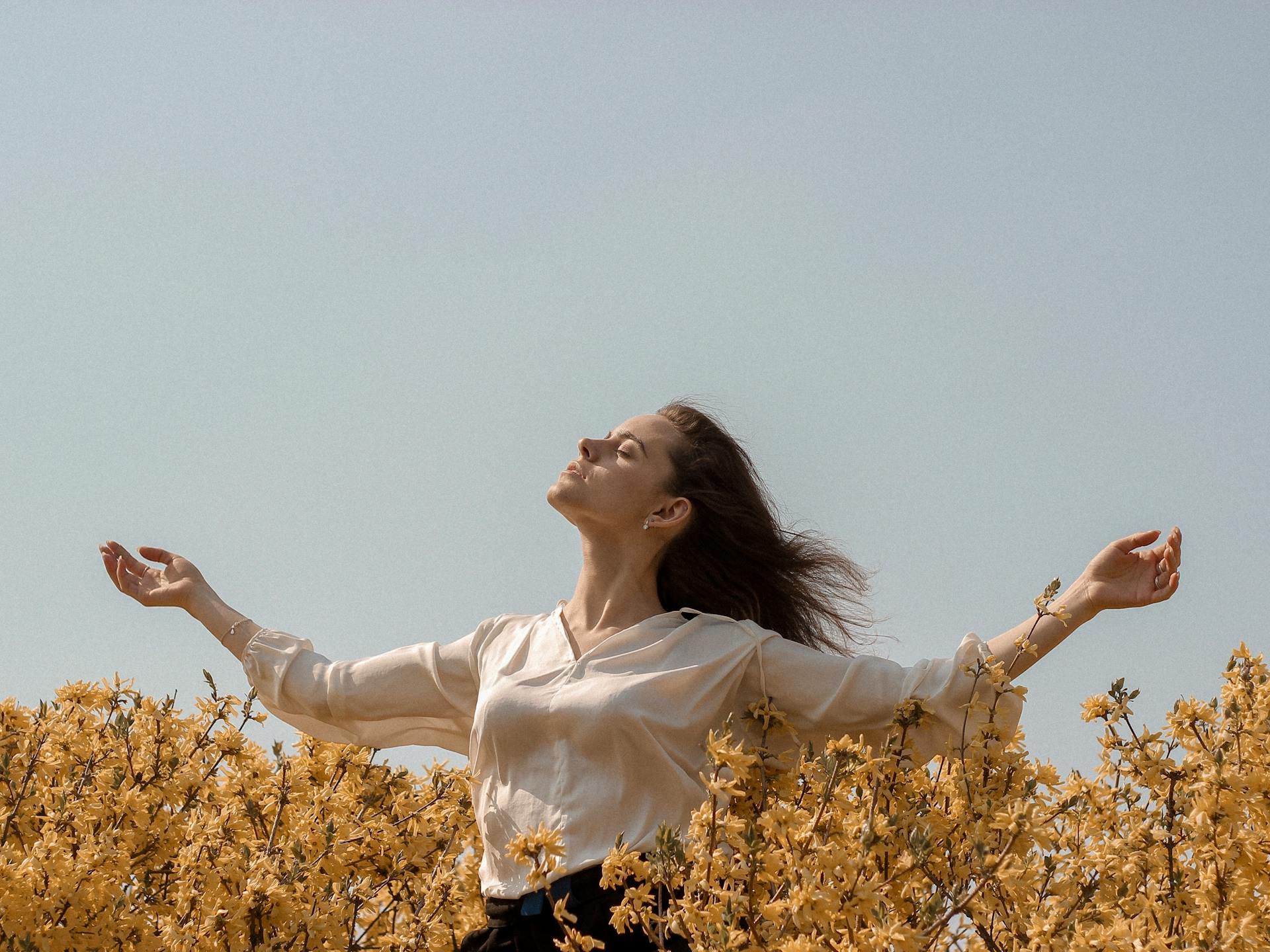
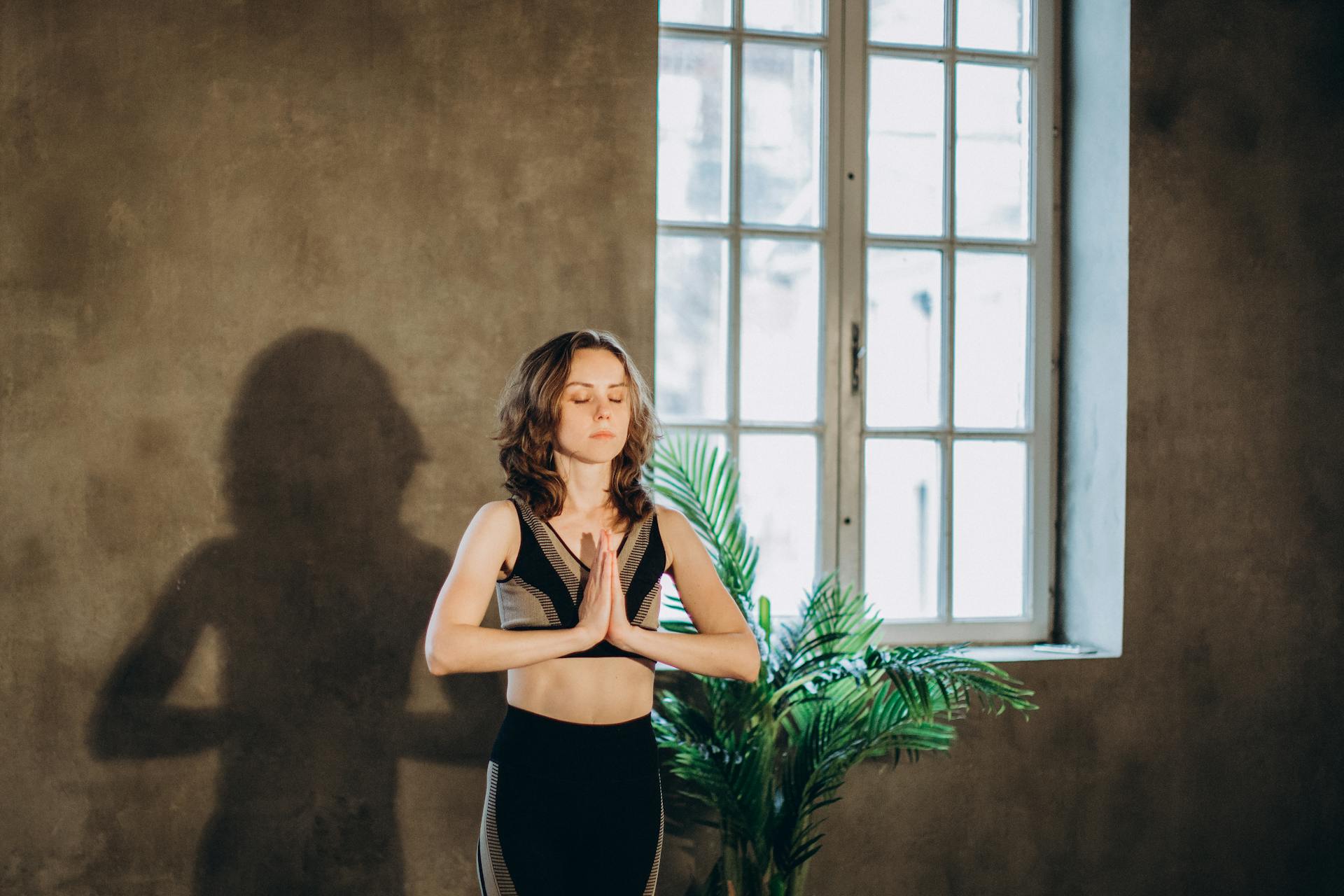
pexels-photo-4423750

The Role of Lifestyle: Sleep, Food, and Movement

Stress is heavily influenced by our daily habits. We’ll look at how sleep quality, nutrition, and regular movement can lower anxiety, with practical tips you can start implementing right away.

watch the video

practical exercise
week 3 practice

Keep a simple daily log for 3 days:


  • Hours of sleep

  • Meals and snacks (note any heavy sugar/caffeine)

  • Physical movement (steps, stretching, or exercise)


At the end, reflect: Did my stress levels change on days with better sleep or healthier meals?
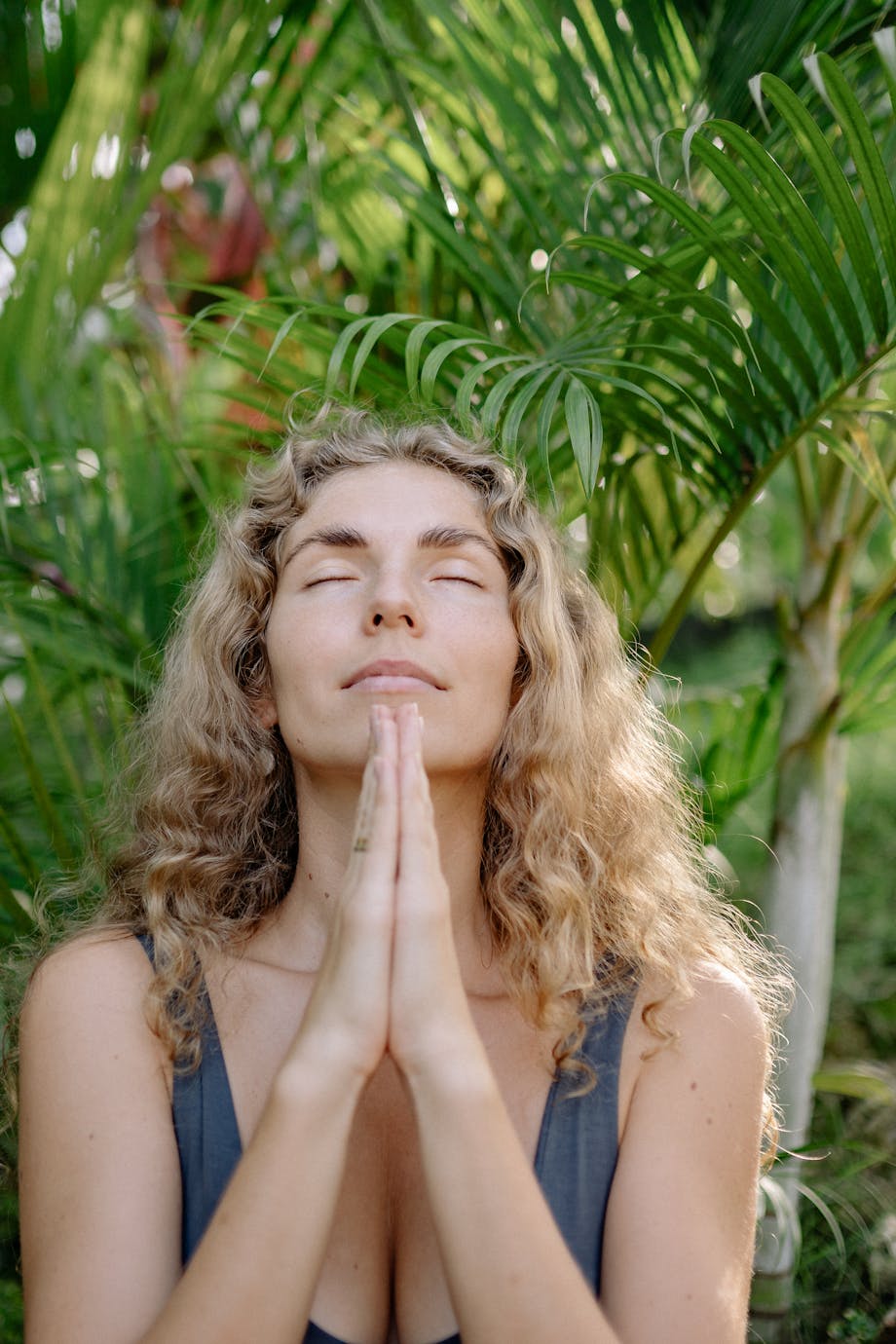
 

pexels-photo-4457947-1
Mini-Quiz:

1 Which of these increases anxiety levels over time?

  1. Balanced meals
  2. Excess caffeine
  3. Daily walks
  • b. Excess caffeine

2 Sleep deprivation mainly affects:

  1. Only physical energy
  2. Both mood and stress regulation
  3. Only digestion
    1. b. Both mood and stress regulation

What's Next

Choose one small lifestyle change this week — maybe setting a bedtime reminder, adding a short morning walk, or swapping one caffeine-heavy drink for water. Sustainable change comes from small, repeatable habits, not perfection.

making lasting changes

The secret to lasting change is consistency, not intensity. Instead of chasing big transformations, anchor your wellbeing to simple, sustainable routines. Choose one habit in each area — better sleep, balanced food, gentle movement — and protect it fiercely. Once it feels automatic, build from there. This gradual layering creates a lifestyle that supports calm without effort.

our Blog

Course modules

Course modules can be accessed using the links below.

pexels-photo-5217850-1
Module 1: Understanding Stress and Anxiety
We begin by breaking down what stress and anxiety actually are — biologically, emotionally, and mentally. You’ll learn the difference between “good stress” that motivates us and chronic stress that harms us, plus how anxiety shows up in everyday life.
pexels-photo-8608332
Module 2: Spotting the Early Warning Signs
Anxiety and stress often build gradually. In this video, we’ll explore common physical, emotional, and behavioral signs so you can catch them early — before they spiral into burnout or panic.
pexels-photo-4423750-1
Module 3: The Role of Lifestyle: Sleep, Food, and Movement
Stress is heavily influenced by our daily habits. We’ll look at how sleep quality, nutrition, and regular movement can lower anxiety, with practical tips you can start implementing right away.
pexels-photo-3822114-2
Module 4: Breathing and Grounding Techniques
Sometimes the fastest way to calm the mind is through the body. This session introduces powerful breathing and grounding techniques you can use in moments of panic or overwhelm to quickly regain control.
Module 5: Reframing Negative Thought Patterns
Stress often comes from the way we interpret events, not just the events themselves. We’ll cover simple thought-reframing techniques from CBT (Cognitive Behavioral Therapy) to challenge negative spirals and build more balanced thinking.
Module 6: Everyday Mindfulness Made Simple
Mindfulness doesn’t mean sitting on a cushion for hours. In this video, you’ll learn short, practical mindfulness practices — like mindful eating, walking, or “one-minute resets” — that fit into busy lives.
home-1
Module 7: Building Resilience: Coping Skills That Last
Stress will never disappear, but your relationship with it can change. Here we’ll cover resilience-building strategies so you can bounce back faster and handle challenges with greater confidence.
Module 8: Boundaries and Saying No Without Guilt
Overcommitment is a major stress trigger. This video shows you how to set healthy boundaries — at work, with friends, and even with yourself — and how to say “no” in a way that feels respectful but firm.
pexels-photo-9249939-1
Module 9: Breaking the Cycle of Burnout
When stress is ignored, it often leads to exhaustion and burnout. In this session, you’ll learn how to spot burnout, how to recover, and how to protect yourself from falling back into the cycle.
testimonial
Module 10: Creating A Personal Stress-Management Plan
We wrap up the course by combining all the tools into a personalized action plan. You’ll create daily and weekly routines tailored to your life, ensuring you can manage stress and anxiety long-term.