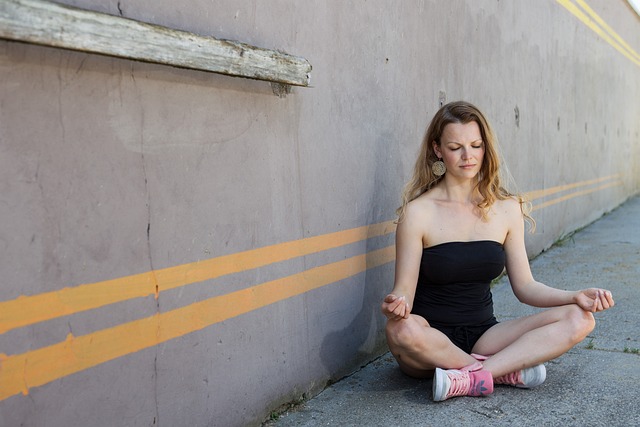

Meditation Unplugged: Discovering Techniques for Deep Relaxation and Inner Clarity
Meditation is an ancient practice that has gained immense popularity in modern wellness culture. It offers a pathway to deep relaxation and a clearer mind, helping individuals navigate the complexities of daily life. This comprehensive guide will explore the essence of meditation, its historical roots, various styles, and practical techniques for integrating meditation into your lifestyle.
What is Meditation?
Meditation is a practice that involves focusing the mind and eliminating distractions to achieve a state of mental clarity and emotional calmness. It can take various forms, from guided sessions to silent contemplation, and often incorporates elements of mindfulness, breathing techniques, and visualization. The ultimate goal of meditation is to cultivate a deeper awareness of oneself and the present moment.
The History and Purpose of Meditation
The origins of meditation can be traced back thousands of years, with roots in ancient spiritual traditions across the globe. Early forms of meditation were practiced in Hinduism and Buddhism, where it was used as a means to achieve spiritual enlightenment and inner peace. Over time, meditation has evolved and adapted, becoming a secular practice embraced by people from all walks of life.
The purpose of meditation varies from individual to individual. For some, it serves as a tool for spiritual growth, while for others, it is a method for stress relief and mental clarity. Regardless of its purpose, meditation provides a sanctuary for self-reflection and emotional balance.
Common Styles of Meditation
There are numerous meditation styles, each with its unique focus and approach. Here are some of the most common techniques:
Mindfulness Meditation
Mindfulness meditation involves paying attention to the present moment without judgment. Practitioners focus on their breath, bodily sensations, or thoughts, allowing them to observe their experiences without becoming overwhelmed. This style promotes awareness and acceptance, making it a popular choice for stress reduction.
Transcendental Meditation
Transcendental Meditation (TM) is a simple, effortless technique that involves silently repeating a specific mantra. This practice aims to settle the mind into a state of profound rest and relaxation, transcending ordinary thought processes. TM is often associated with increased creativity and cognitive function.
Loving-Kindness Meditation
Loving-kindness meditation, or Metta, focuses on cultivating feelings of compassion and love towards oneself and others. Practitioners repeat phrases of goodwill and kindness, gradually extending these feelings to friends, family, and even those they may have conflicts with. This style fosters emotional healing and connection.
Body Scan Meditation
Body scan meditation involves systematically focusing on different parts of the body, promoting relaxation and awareness of physical sensations. This practice helps to release tension and encourages a deeper connection between the mind and body.
Mental and Physical Benefits of Meditation
Research supports a myriad of mental and physical benefits associated with regular meditation practice. Some of the most notable advantages include:
- Reduced Stress: Meditation activates the relaxation response, lowering cortisol levels and reducing stress.
- Improved Focus: Regular practice enhances concentration, attention span, and cognitive flexibility.
- Emotional Well-being: Meditation can help alleviate symptoms of anxiety and depression, promoting a more positive outlook on life.
- Better Sleep: Mindfulness practices can improve sleep quality and reduce insomnia symptoms.
- Enhanced Self-awareness: Meditation fosters a deeper understanding of oneself, leading to personal growth and self-acceptance.
Beginner-Friendly Techniques for Starting a Meditation Practice
Starting a meditation practice doesn't have to be daunting. Here are some beginner-friendly techniques to help you get started:
1. Start Small
Begin with just five minutes a day. Gradually increase the duration as you become more comfortable with the practice.
2. Choose a Comfortable Position
Find a position that feels comfortable for you, whether sitting on a chair, cross-legged on the floor, or even lying down. The key is to maintain a posture that allows for relaxation without falling asleep.
3. Focus on Your Breath
Pay attention to your breath as it flows in and out. If your mind wanders, gently bring your focus back to your breathing without judgment.
4. Use Guided Meditations
Consider using apps or online resources that offer guided meditations. These can provide structure and support as you develop your practice.
Creating a Calming Space for Meditation
Establishing a designated space for meditation can enhance your practice. Here are some tips for creating a calming environment:
- Choose a Quiet Location: Select a space free from distractions and noise.
- Add Comfort: Incorporate cushions, blankets, or a meditation chair to make the space inviting.
- Incorporate Nature: If possible, meditate in a natural setting or bring elements of nature indoors, such as plants or natural light.
- Minimize Clutter: Keep the space tidy and free from distractions to promote a sense of peace.
Overcoming Common Challenges
Many beginners face challenges when starting a meditation practice. Here are some strategies to overcome common obstacles:
Restlessness
If you find it difficult to sit still, try shorter sessions or incorporate movement-based practices like yoga before meditating.
Wandering Thoughts
It's normal for thoughts to arise during meditation. Acknowledge them without judgment and gently redirect your focus back to your breath or mantra.
Time Constraints
Integrate meditation into your daily routine by practicing during breaks, before bed, or even while commuting. Consistency is key.
Integrating Meditation into Different Lifestyles
Meditation can be adapted to fit various lifestyles. Whether you're a busy professional, a stay-at-home parent, or a student, there are ways to make meditation work for you:
- For Professionals: Take short mindfulness breaks during the workday to recharge.
- For Parents: Involve your children in simple meditation exercises to foster a family practice.
- For Students: Use meditation to prepare for exams or manage academic stress.
Conclusion
Meditation is a powerful tool for achieving deep relaxation and inner clarity. By exploring different styles and techniques, you can find a practice that resonates with you. Remember, the journey of meditation is personal, and it's essential to approach it with patience and compassion. Embrace the process, and you'll discover the transformative benefits of meditation in your life.